
Practical warmer homes programmes that improve comfort, reduce energy demand and support better outcomes.
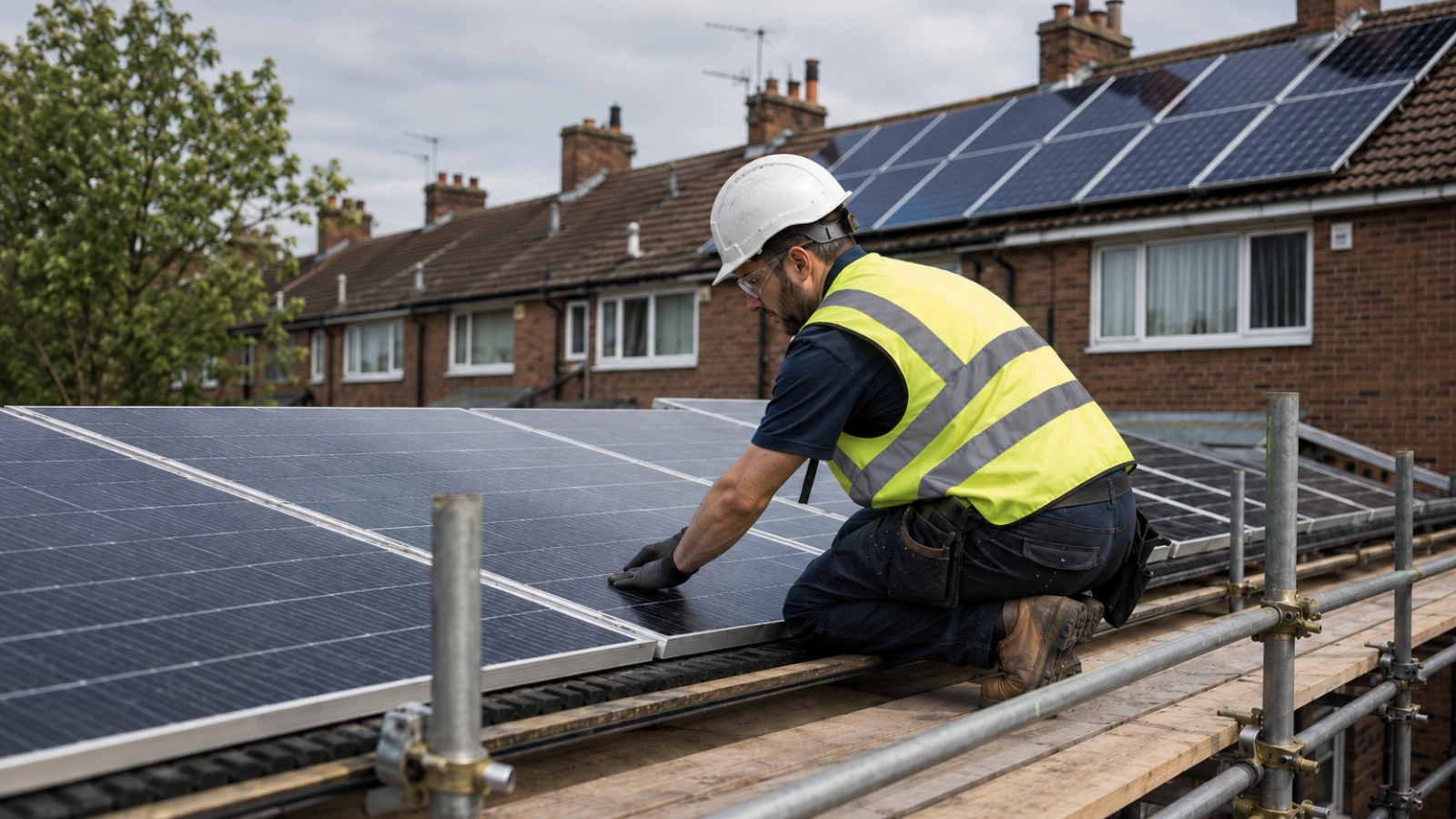
Warmer homes programmes are not just about installing energy efficiency measures. They are about comfort, affordability, health, resident trust and long-term asset performance.
With millions of households still affected by fuel poverty, housing providers are under growing pressure to improve the homes residents live in, while also meeting compliance, funding and decarbonisation requirements.
The challenge is turning retrofit ambition, funding opportunities and stock condition data into practical programmes that can be delivered safely and effectively across occupied homes.
At BuiltForward, we help organisations connect the dots between retrofit planning, funding, compliance, resident communication and programme delivery.
A warm, efficient home can make a meaningful difference to everyday life.
For residents, it can help improve comfort, reduce energy demand and support healthier living conditions. For housing providers, it can support asset improvement, compliance, long-term decarbonisation goals and better resident outcomes.
Warmer homes programmes also support wider prevention priorities by helping to reduce the risks associated with cold, damp and poorly ventilated homes. When properties perform better, residents are less likely to face the daily compromises that come with underheating, condensation, damp, mould or systems that are difficult to use.
Done well, warmer homes programmes are not just property upgrades. They are long-term asset, infrastructure and resident outcome programmes.
Many warmer homes programmes become difficult because the work sits across multiple priorities.
A single programme may need to consider stock condition, resident need, funding eligibility, retrofit design, compliance, procurement, access to occupied homes, quality assurance, reporting and aftercare.
On paper, the strategy may look clear. The funding route may be identified. The stock data may show where improvement is needed. But unless planning, procurement, resident communication, delivery partners, access and reporting are joined up, programmes can quickly become slow, fragmented or hard to measure.
For residents, this can mean confusion, missed appointments or disruption without clear explanation. For housing providers, it can mean delayed works, inconsistent evidence, quality issues or measures that do not deliver the intended benefit.
A practical warmer homes programme may include:
The exact scope will depend on the homes, residents, funding route, asset strategy and compliance requirements.
The important point is that these measures should not be treated in isolation. A warmer homes programme works best when the property is considered as a whole, with each improvement understood in the context of the wider home.
In social housing, retrofit happens in real homes, not empty assets.
That means communication, access planning, phasing, aftercare and trust are just as important as the technical measures. Residents need to understand what is happening, why it matters and how to use any new systems or improvements once works are complete.
A well-designed programme should make the resident journey clear from the start. This includes explaining the purpose of the works, confirming appointment arrangements, managing disruption, capturing feedback and providing clear handover information.
This is especially important where works involve ventilation, heating controls, solar PV or other systems that residents may need to interact with after installation or repair.
A measure only delivers value if it works properly in the home and is understood by the people living there.
A warmer homes programme should not be a pick-and-mix bag of upgrades.
Insulation, ventilation, heating, controls, electrical works and renewable technologies need to be considered together. This helps reduce the risk of unintended issues, such as poor ventilation after insulation works, heating systems that are not suited to the improved building fabric, or renewable technologies that are installed but not maintained effectively.
The strongest programmes focus on outcomes, not just activity.
That means warmer homes, lower energy demand, reduced damp and mould risk, better indoor air quality, improved asset performance, clearer compliance evidence and stronger long-term value.
This is where practical programme management matters. The technical design has to be right, but so does the delivery model around it.
We help housing providers move from ambition to delivery.
We support practical warmer homes programmes by helping organisations plan, coordinate and evidence works across occupied homes. We bring together the moving parts, so that stock data, funding opportunities, compliance requirements, resident needs and delivery partners are working towards the same outcome.
This can include programme scoping, retrofit and efficiency delivery, funding and investment planning, delivery partner coordination, resident communication, access planning, quality assurance, reporting and aftercare.
We understand that warmer homes programmes are not just about installing measures. They are about delivering improvements that work in practice, for the property, the resident and the housing provider.
By combining practical delivery management with clear reporting and resident-focused processes, we help turn warmer homes ambition into real, measurable progress.
Warmer homes programmes can help improve comfort, reduce energy demand, support residents affected by fuel poverty and strengthen long-term asset performance.
But successful delivery depends on more than good intentions. It needs clear planning, joined-up coordination, practical resident engagement, reliable evidence and strong aftercare.
We can help you shape a practical route from stock data and funding opportunities to real improvements for residents.
Source note
Sources: Department for Energy Security and Net Zero, Annual Fuel Poverty Statistics in England, 2026 (2025 data); Ministry of Housing, Communities & Local Government, English Housing Survey 2024 to 2025: home insulation fact sheet; House of Commons Library, Health inequalities: Cold or damp homes.
Annual fuel poverty statistics report: 2026
Related insight: Fuel poverty in England: why home performance is a human issue.
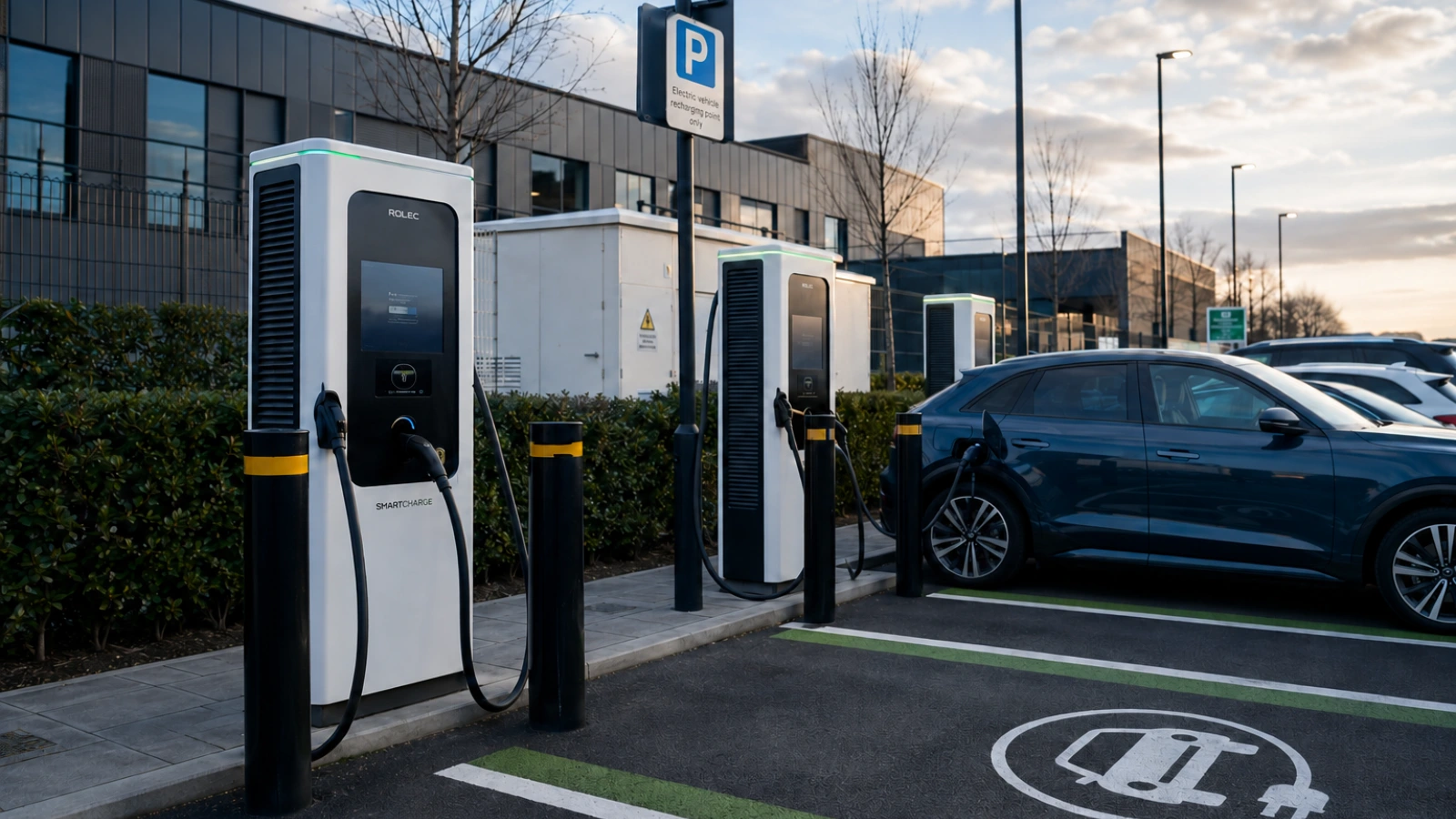
EV charging is shifting from plugs to power, with grid capacity, smart controls and future-ready planning becoming central.
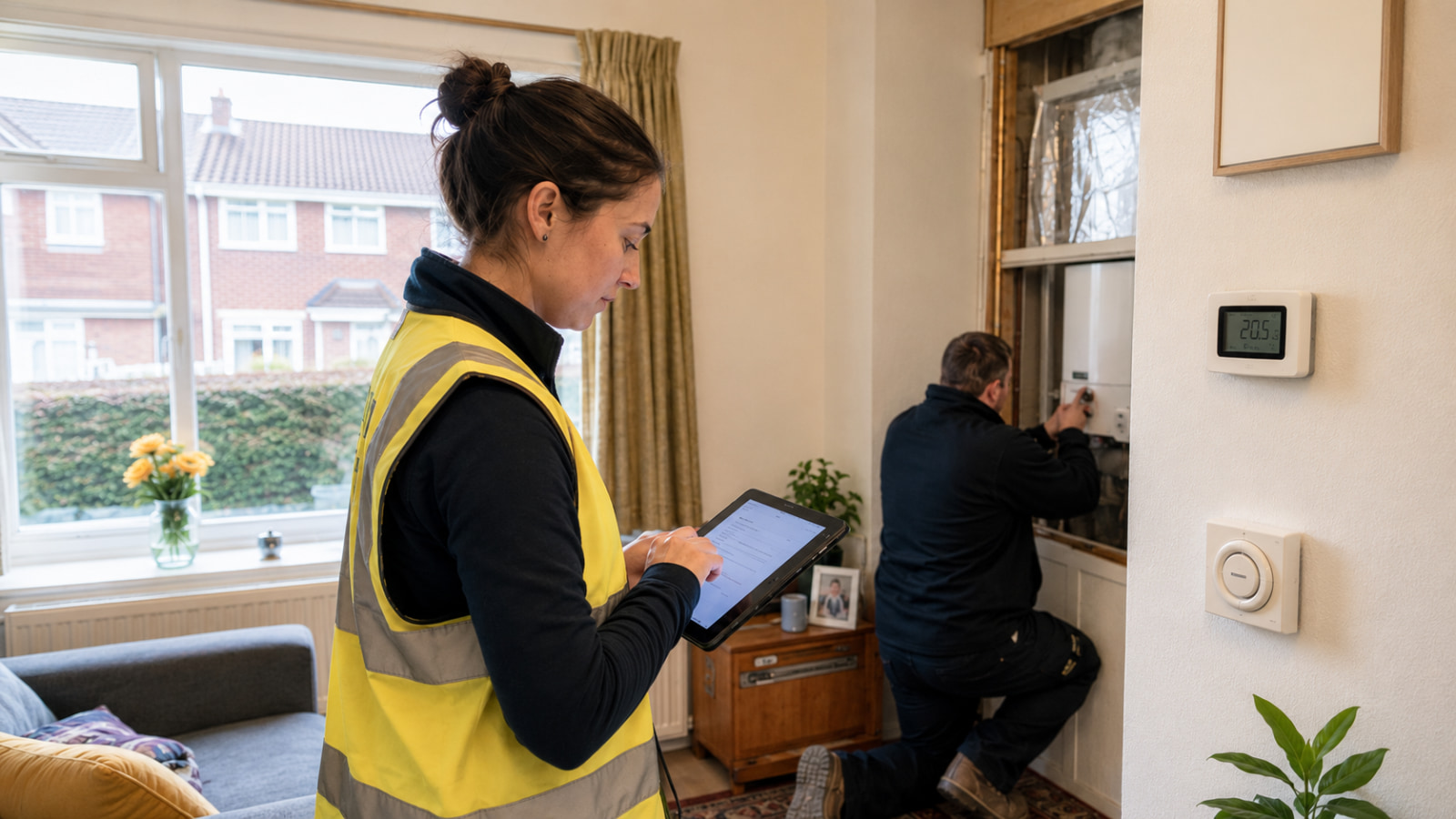
How technical monitoring helps Warm Homes programmes prove quality and improve retrofit outcomes.

Understanding the link between fuel poverty, housing conditions and better resident outcomes.
Whether you are planning a retrofit programme, reviewing energy infrastructure, exploring funding or looking for a delivery partner, we would be happy to hear from you.


.svg)