
Understanding the link between fuel poverty, housing conditions and better resident outcomes.

Fuel poverty is often discussed in terms of energy bills, but the issue goes much deeper than cost alone.
It is about whether a home can be kept warm. Whether damp and mould are being made worse by poor ventilation. Whether heating systems, insulation, controls and renewable technologies are actually working as intended. And, most importantly, whether people can live safely and comfortably in the homes they rely on every day.
According to the latest official fuel poverty statistics, published in 2026 using 2025 data, 2.36 million households in England were in fuel poverty under the Low Income Low Energy Efficiency metric. That represents 9.4% of households. The average fuel poverty gap, which is the reduction in fuel costs needed for a household to no longer be classed as fuel poor, was estimated at £379.
Behind those numbers are real households making difficult choices. Heating less. Living in colder rooms. Avoiding certain parts of the home. Managing condensation, damp or poor indoor air quality. Delaying repairs because household budgets are already stretched.
Fuel poverty is not only an affordability issue. It is a housing condition issue, a health issue and an infrastructure issue.
A cold home can change how people live.
Residents may heat one room instead of the whole property. They may avoid using heating altogether until temperatures become unbearable. They may keep windows closed to retain warmth, even when ventilation is needed. Over time, these small daily compromises can contribute to bigger problems for both the resident and the property.
The English Housing Survey 2024–25 found that among households living in homes with less than 100mm of loft insulation, 24% of social renters reported being unable to keep warm, compared with 31% of private renters and 11% of owner occupiers.
That matters because poor housing conditions do not stay neatly contained within the walls of a home. Cold, damp and poorly ventilated homes can affect physical and mental wellbeing, particularly for older people, children and residents already living with health conditions.
The wider impact is significant too. The House of Commons Library notes that the NHS spends an estimated £1.4 billion each year treating illnesses associated with cold or damp housing, with wider societal costs estimated at £15.4 billion.
So fuel poverty is not just about household budgets. It is about prevention, public health and the long-term cost of homes that are not performing properly.
The latest statistics show that improving energy efficiency can make a measurable difference.
Between 2024 and 2025, energy efficiency measures lifted an estimated 153,000 households out of fuel poverty. The same official factsheet shows that the average fuel poverty gap remained around £379, meaning many households still need a meaningful reduction in energy costs to move out of fuel poverty.
This is why the condition and performance of homes matters so much.
A poorly insulated property loses heat more quickly. A ventilation system that is not working correctly can contribute to damp, mould and poor indoor air quality. A heating system that is inefficient or poorly matched to the property can increase running costs without delivering comfort. Solar PV and other renewable technologies need to be properly surveyed, maintained and monitored if they are to deliver the benefits residents expect.
The answer is not simply to install more measures. It is to make sure the right measures are planned, delivered and maintained in the right way.
Insulation, ventilation, heating, controls, electrical works and renewables all need to be considered together. Otherwise, one improvement can create another problem. A more insulated home without adequate ventilation, for example, may reduce heat loss but increase the risk of condensation and poor air quality.
Good retrofit is not a pick-and-mix bag of upgrades. It is a whole-home approach to performance, comfort and long-term resilience.
For housing providers, fuel poverty creates both a responsibility and an opportunity.
Many residents are more vulnerable to energy cost pressures, underheating and poor housing conditions. At the same time, social housing providers are often well placed to take a planned, portfolio-wide approach to improvement.
That means using stock data, resident insight, compliance requirements, funding opportunities and delivery capacity to prioritise the homes and measures that can have the greatest impact.
It also means recognising that retrofit is not just a technical exercise. These works happen in real homes, around real people, with real disruption if they are not managed properly. Resident communication, access planning, evidence capture, quality assurance and aftercare are just as important as the specification itself.
Done well, energy improvement programmes can help reduce running costs, improve comfort, support healthier living conditions, protect asset performance and contribute to wider decarbonisation goals.
Done badly, they can create frustration, missed appointments, incomplete works, poor resident trust and measures that fail to deliver the intended benefit.
The latest figures show some improvement, with fuel poverty falling from 9.9% of households in 2024 to 9.4% in 2025. But with 2.36 million households still affected, the need for practical action remains clear.
Effective action may include insulation and fabric improvements, ventilation repairs and upgrades, damp and mould risk reduction, heating and hot water improvements, solar PV servicing, electrical enabling works, EPC improvement planning, resident communication, quality assurance, reporting and aftercare.
The strongest programmes are not just technically correct. They are deliverable, measurable, resident-focused and aligned to wider health and prevention outcomes.
At BuiltForward, we work alongside housing providers and property owners to deliver retrofit, remedial and energy improvement programmes that support warmer homes, lower running costs and better resident outcomes.
Our role is to help turn data, funding opportunities and property needs into practical delivery. That means supporting surveying, planning, delivery partner coordination, resident access, compliance, reporting and aftercare.
Fuel poverty is complex, but the response does not need to be vague.
Better homes, better data and better delivery can make a measurable difference, because tackling fuel poverty is not just about reducing bills. It is about improving the places people live.
Source note
Sources: Department for Energy Security and Net Zero, Annual Fuel Poverty Statistics in England, 2026 (2025 data); Ministry of Housing, Communities & Local Government, English Housing Survey 2024 to 2025: home insulation fact sheet; House of Commons Library, Health inequalities: Cold or damp homes.
English Housing Survey 2024 to 2025: home insulation - fact sheet - GOV.UK
https://commonslibrary.parliament.uk/research-briefings/cbp-9696/
https://www.gov.uk/government/statistics/annual-fuel-poverty-statistics-report-2026
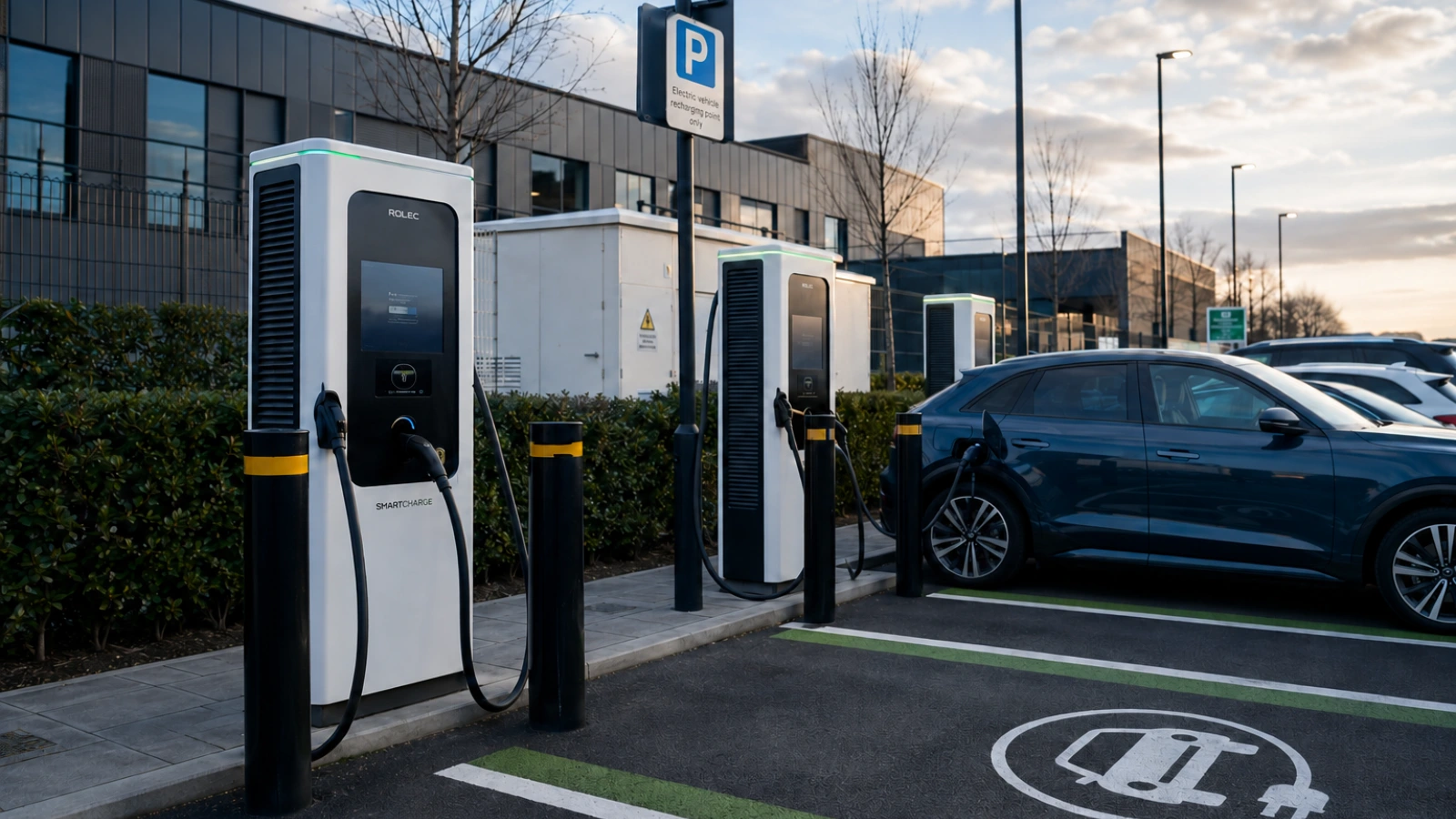
EV charging is shifting from plugs to power, with grid capacity, smart controls and future-ready planning becoming central.
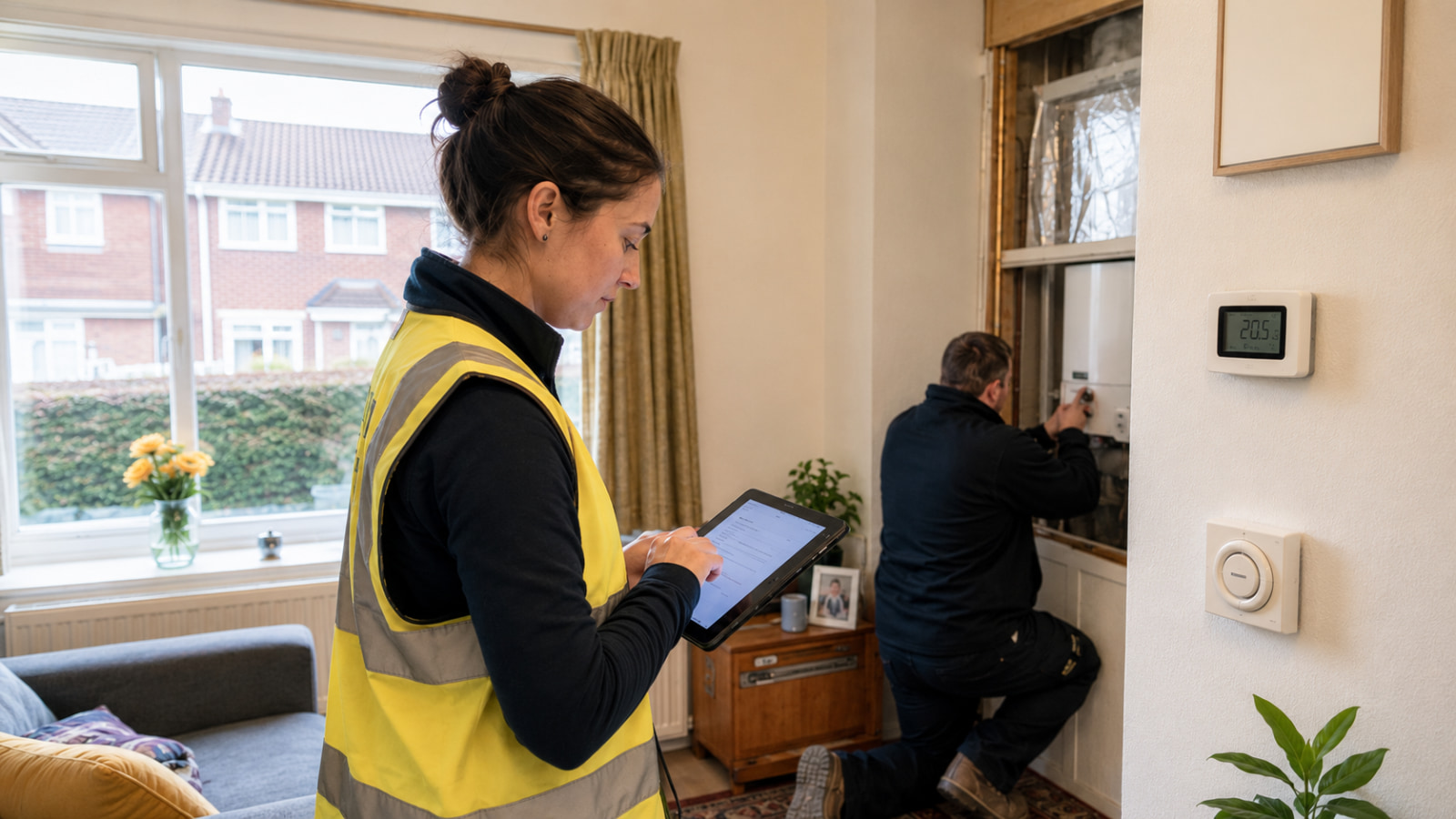
How technical monitoring helps Warm Homes programmes prove quality and improve retrofit outcomes.
Understanding the link between fuel poverty, housing conditions and better resident outcomes.
Whether you are planning a retrofit programme, reviewing energy infrastructure, exploring funding or looking for a delivery partner, we would be happy to hear from you.


.svg)