
How technical monitoring helps Warm Homes programmes prove quality and improve retrofit outcomes.
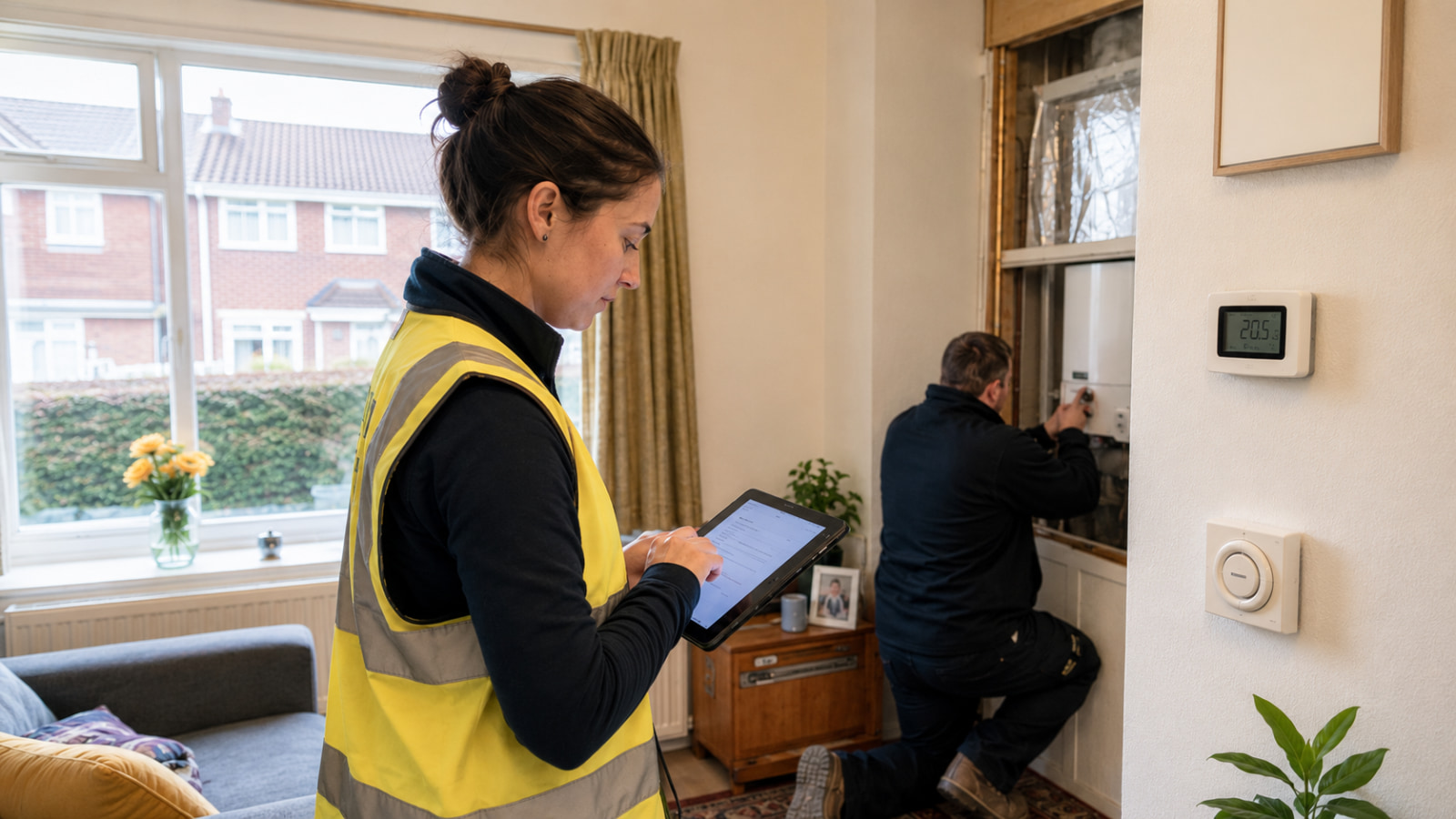
Warm Homes funding is putting renewed focus on how homes are improved, how programmes are delivered and how results are evidenced.
The ambition is important. Across the UK, many homes still need better insulation, improved ventilation, more efficient heating and practical upgrades that reduce energy demand. For residents, this can mean warmer rooms, lower running costs and healthier living conditions. For housing providers, local authorities and property owners, it can support asset improvement, compliance, decarbonisation and long-term investment planning.
But as funding grows, so does the need for confidence.
It is no longer enough to install measures and move on. Funded programmes need to show that the right work has been carried out, in the right property, by the right people, to the right standard, with the right evidence behind it.
That is where technical monitoring comes in.
Technical monitoring is the quality-control process that checks whether energy efficiency or retrofit measures have been installed properly.
In simple terms, it asks:
Depending on the scheme, measure and delivery route, this may involve desktop checks, site inspections, photographic evidence, documentation reviews, handover information, resident feedback and follow-up actions.
It may look at whether the property was suitable, whether the right survey was completed, whether the installation followed the relevant standards, whether the installer was appropriately qualified and whether any defects have been identified and resolved.
The aim is not just to tick a compliance box. It is to protect residents, protect public funding and make sure improvements deliver the intended benefit.
The Warm Homes Plan and related funding routes are designed to improve the energy performance of homes and support lower-carbon, more affordable living.
That means more homes, more measures, more contractors, more data and more evidence.
At that scale, quality assurance becomes essential.
Poorly planned or poorly installed retrofit can create serious problems. Insulation without adequate ventilation can increase condensation risk. Heating upgrades that are not properly matched to the property may fail to deliver comfort or efficiency. New systems, controls and low-carbon technologies need to be installed, commissioned and explained properly if they are to perform as intended.
A warmer homes programme should never be a rush to install as many measures as possible. It should be a managed process that considers the property, the resident, the funding rules, the technical requirements and the long-term outcome.
One of the biggest changes in funded retrofit is the growing importance of evidence.
Delivery teams may know that work has happened. Installers may know that a measure has been fitted. Residents may know that someone has been in their home.
But funders, auditors and programme managers need more than that.
They need clear, consistent evidence showing what was done, where it was done, why it was appropriate, who completed it, what standard it was delivered to and what happened afterwards.
That evidence may be needed for grant claims, compliance reporting, quality assurance, resident complaints, future maintenance, asset management and long-term performance tracking.
If the right processes are not in place from the start, this can quickly become messy. Evidence should not be gathered at the end like loose receipts in a kitchen drawer. It needs to be built into the delivery model from day one.
What this means for housing providers and local authorities (7 Icons in folder for each italic here)
For housing providers and local authorities, technical monitoring affects more than the installation itself.
It has an impact on programme planning, procurement, contractor management, resident communication, reporting and aftercare.
A strong programme needs clear answers to practical questions:
Who is responsible for capturing evidence?
When are checks carried out?
How are issues reported?
Who tracks remedial works?
How is resident feedback recorded?
How are installers held accountable?
How does the client know what has been completed and what still needs attention?
These questions are not admin for admin’s sake. They are part of delivering funded works properly.
Technical monitoring can sometimes feel like another layer of process, but done well, it can make programmes stronger.
It helps identify issues earlier. It gives clients better visibility of delivery. It supports safer and more consistent workmanship. It helps ensure measures are installed properly and gives residents greater confidence that works have been carried out with care.
It also creates a useful feedback loop. If monitoring shows repeated issues with a particular measure, contractor, property type or process, that information can be used to improve future delivery.
The point is not just to catch failure. It is to help programmes learn, adapt and improve.
The organisations that benefit most from Warm Homes funding will not simply be those that access funding. They will be the ones able to turn funding into well-managed, well-evidenced, resident-focused delivery.
As Warm Homes programmes continue to move forward, the question will not just be:
It will be:
Were the right homes selected?
Were the right measures installed?
Was the work completed properly?
Is the evidence clear?
Are residents better off?
Are the homes actually performing better?
Those are the questions that will define whether Warm Homes funding delivers lasting value.

EV charging is shifting from plugs to power, with grid capacity, smart controls and future-ready planning becoming central.
How technical monitoring helps Warm Homes programmes prove quality and improve retrofit outcomes.

Understanding the link between fuel poverty, housing conditions and better resident outcomes.
Whether you are planning a retrofit programme, reviewing energy infrastructure, exploring funding or looking for a delivery partner, we would be happy to hear from you.


.svg)